Greek Coffee Culture: Why Your Frappe Order Says Everything About You
Sketo? Metrio? Glyko? Your coffee order is basically a personality test — and Greeks take it very, very seriously. From the frappe vs. freddo wars to the sacred rules of the kafeneio, here is how to navigate the local caffeine scene like an insider.
In most countries, ordering coffee is a utilitarian transaction. You are a biological engine in need of fuel, and the barista is merely the pump. You want caffeine, they provide caffeine, and you shuffle off to your day before the cup is even finished. It is cold, efficient, and frankly, a bit tragic.
In Greece, we do not simply consume coffee; we inhabit it. How you take your morning brew isn't merely a preference — it is a philosophical manifesto, a subtle political alignment, and a dead giveaway regarding your romantic compatibility. Your coffee order is analysed with the intensity of a forensic investigation. Years down the line, a local will recall your habits with a knowing nod, effectively summarising your entire character based on whether you take your freddo espresso sketo or glyko.
After living here for four glorious, caffeinated years, I have come to realise that Greek coffee culture is not a beverage category at all. It is a distinct way of life that dictates the rhythm of the day. Let me decode this local ritual for you, before you accidentally mark yourself as an outsider.
What you'll learn
-
How to navigate the complex Greek sugar hierarchy with confidence.
-
The history and etiquette of the legendary Greek frappe.
-
The heated, eternal rivalry between the frappe and the freddo espresso.
-
Insider secrets on the social contract of the traditional kafeneio versus modern espresso bars.
-
How to interpret your cup with the locals when you reach the bottom of your ellinikos kafes.
The Sacred Vocabulary: Sugar Levels as Identity
Before we begin psychoanalysing your order, you must master the Greek sugar hierarchy. This is not about your palate's sensitivity to sweetness; it is about your fundamental identity. These terms are non-negotiable and must be articulated clearly to the barista at your local spot, whether it is a beach shack in Crete or a sleek urban haunt in Pagrati.
Sketo (σκέτο) — No Sugar
You enjoy the fundamental bitterness of existence and are likely a staunch minimalist. You probably read dense existential philosophy at the beach instead of a glossy magazine. You might be a little bit insufferable at dinner parties, but you are unwavering in your commitment to your principles. Ordering coffee sketo signals that you do not need life sweetened for you, and you certainly don't need help from anyone else.
Metrio (μέτριο) — Medium Sugar
Ah, the diplomat, the moderate, the one who can actually see both sides of an argument. You are undoubtedly likeable at parties because you refuse to take a controversial stance on anything, from politics to the best olive oil region. Your metrio coffee mirrors your approach to life: balanced, reasonable, and highly unlikely to cause a scene.
Glyko (γλυκό) — Sweet
You understand that life is hard, taxes are high, and pleasure is fleeting, so why not make things pleasant? The glyko drinker embraces joy, rejects unnecessary suffering, and is inevitably the most fun person at any late-night gathering. You are not here for bitterness in any form, and you are likely the one insisting on covering the bill at the end of the night.
The Frappe: Greece's Gift to Summer Coffee
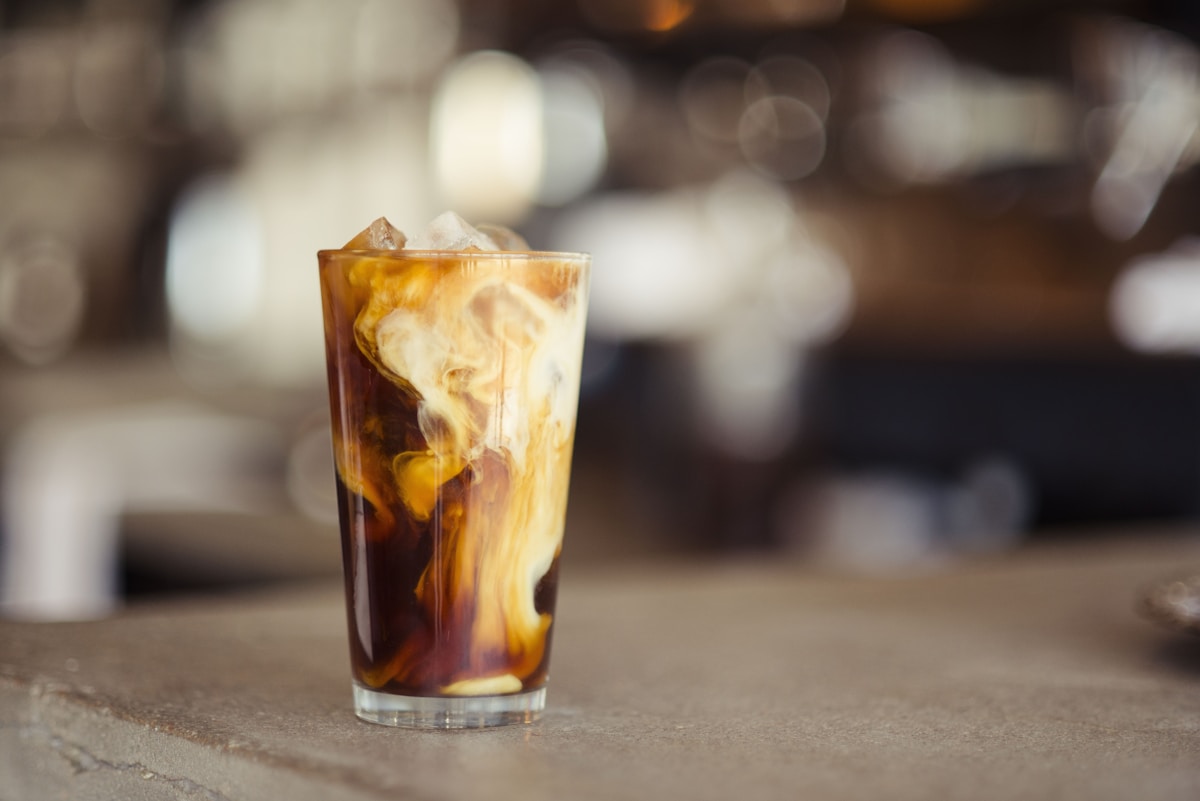
The frappe was invented by pure accident in 1957 at the Thessaloniki International Fair. A Nescafé representative named Dimitris Vakondios simply could not find hot water for his instant coffee, so he improvised by mixing it with cold water and ice in a shaker. The result was a frothy, refreshing, and somewhat chaotic masterpiece that would eventually become the unofficial national drink of Greece.
This origin story is perfectly on-brand for Greece's relationship with improvisation, bureaucracy, and the art of making the absolute best out of whatever resources happen to be at hand. To order correctly, you must use the following formula: "Ena frappe [sugar level] [me/horis gala]."
"The frappe is not a drink, it is a temporal anchor. You are not buying a caffeine fix; you are buying the right to exist in a public space for two hours without the waiter ever suggesting you move along."
The Great Freddo Schism
In the early 1990s, professional espresso culture invaded the Greek mainland. The freddo espresso and freddo cappuccino emerged as the sophisticated, cosmopolitan alternatives to the humble frappe. This created an immediate, lasting fissure in society, separating the population into two warring ideological camps that show no signs of finding common ground.
The Frappe Loyalist Position
The loyalists believe the freddo is a pretentious marketing invention designed to charge double for coffee. They argue that the frappe is the only authentic Greek experience, rooted in the history of their parents and grandparents. To them, the freddo is for people who care more about their Instagram aesthetic than the genuine, gritty, instant-coffee-foam soul of Greece.
The Freddo Evangelist Position
The evangelists view the frappe as instant coffee playing dress-up. They insist that the freddo uses real, high-quality espresso, properly prepared with a flavour profile that actually respects the coffee bean's journey from the farm to the cup. For them, the nation has evolved, and their palate has evolved right along with it. They will argue this point until the heat death of the universe.
| Drink Type | Personality Profile | Typical Price (approx.) |
|---|---|---|
| Frappe Sketo | The hardened realist | €2.50 |
| Freddo Espresso | The modern sophisticate | €3.50 |
| Greek Coffee | The tradition-keeper | €2.00 |
| Filter Coffee | The confused tourist | €4.00 |
The Ellinikos Kafes Exception
Long before the invention of the shaker-bottle, there was ellinikos kafes, or traditional Greek coffee. This is the thick, potent brew served in a tiny, delicate cup with a thick layer of sediment at the bottom. It is not for the faint of heart, and there are strict rules for consumption that you would be wise to learn.
First, never stir the coffee after it arrives at the table. It has been prepared in a traditional briki pot with the grounds already integrated; stirring it ruins the delicate foam known as the kaimaki. You must drink it slowly over the course of at least twenty minutes, allowing the sediment to settle peacefully at the base of the cup.
Crucially, do not drink the final centimetre of your coffee. That sludge is essentially mud, and it will absolutely ruin your experience if consumed. Once you finish, the real magic begins: the fortune-telling. An elderly relative or an enthusiastic café owner will likely flip your cup onto the saucer, wait for the grounds to dry, and interpret the patterns left behind. Your skepticism is completely irrelevant; they will accurately predict your travel plans whether you like it or not.
The Kafeneio vs
The Modern Café
Where you choose to drink your coffee matters every bit as much as what you order. The kafeneio is a hallowed institution, usually a small, corner establishment filled with elderly men playing backgammon, smoking unfiltered cigarettes, and nursing Greek coffee for an entire afternoon.
These spots are rarely air-conditioned, definitely not smoke-free, and certainly not interested in your preference for oat milk or almond alternatives. They are the best places in the world to observe the raw, unfiltered social dynamics of a Greek village or neighbourhood. In contrast, the modern café is a sanctuary of air conditioning, high-speed wifi, and international coffee trends. While the espresso bars are excellent for a quick work session or a sleek meeting, they lack the soul of the corner kafeneio. Both are valid, but they serve different psychological needs depending on the day.
The Rules of Café Engagement
When you go for coffee with Greek friends, the bill is rarely split. One person usually covers the entire table, and the subsequent argument over who gets to pay is a vital piece of local theatre. You must accept the generosity gracefully, knowing that the social contract dictates you will be expected to cover the next round yourself.
Furthermore, occupying a table is a sacred right. Once you order one single coffee, that table belongs to you for as long as you desire. There is no pressure to order more, and you should never feel guilty about lingering. This is the Greek way of reclaiming time, transforming a mundane cup of coffee into an hours-long event of watching the world go by. If you become a regular, you are expected to greet the staff personally; attempting to order like a ghost is seen as a sign of being cold and inherently untrustworthy.
FAQ Section
- Question: What if I absolutely must have filter coffee?
Answer: You can certainly ask, but you will instantly mark yourself as a visitor. Many local establishments simply do not serve it, so please don't be offended by the confusion in the barista's eyes.
- Question: Can I get oat milk in a rural village?
Answer: Almost certainly not. In Athens or high-end tourist hubs, you might find it, but in the countryside, you are better off embracing the local dairy or sticking to water.
- Question: How much should I tip in a café?
Answer: Tipping is not mandatory, but leaving the small change or a spare euro is considered a kind gesture, especially if you have spent three hours occupying a prime table.
- Question: Is it rude to open a laptop in a café?
Answer: It is not inherently rude, but it does somewhat miss the point. Café culture here is designed for presence and conversation, not for drafting emails or staring at a screen.
Final Thoughts on Slowing Down
Greek coffee culture is not actually about the coffee itself. It is about the radical rejection of the modern need to optimise every single second of our existence. Every frappe ordered is an invitation to stop moving, sit down, and observe the life unfolding around you.
When you order your next cup, remember that you are not just purchasing a caffeine-loaded drink. You are buying a few precious hours of belonging to a culture that has mastered the difficult art of slowing down. May your foam be perfectly thick, your conversations be long, and your fortunes always be favourable.
?Frequently Asked Questions
What if I genuinely prefer filter coffee?
You can order it, but know that it marks you as foreign. Some cafés now serve it; many still don't. Bring your own Aeropress if you're that committed.
Can I get non-dairy milk alternatives?
In Athens and tourist areas, increasingly yes. In villages, you'll get a look of profound confusion. Bring your own if essential.
How much should coffee cost?
A frappe or freddo runs €2.50-5 depending on location. Tourist areas charge more. Kafeneio prices are lower. Greek coffee is usually cheapest.
Is it rude to work on a laptop in cafés?
Not rude, but it does somewhat violate the social purpose of café sitting. Greeks café-sit to be present and observe life, not to email.
Ultimate Greek Islands Itinerary
10 Days of Island-Hopping Perfection
The exact route I'd plan for my best friend — with ferry times, hidden beaches, and where locals actually eat.