Why Every Greek Grandma is Convinced Her Village Has the Best Olive Oil (And Why She's Probably Right)
Spoiler alert: you will be force-fed olives until you agree. Here's the surprisingly scientific reason behind grandma's olive oil obsession.
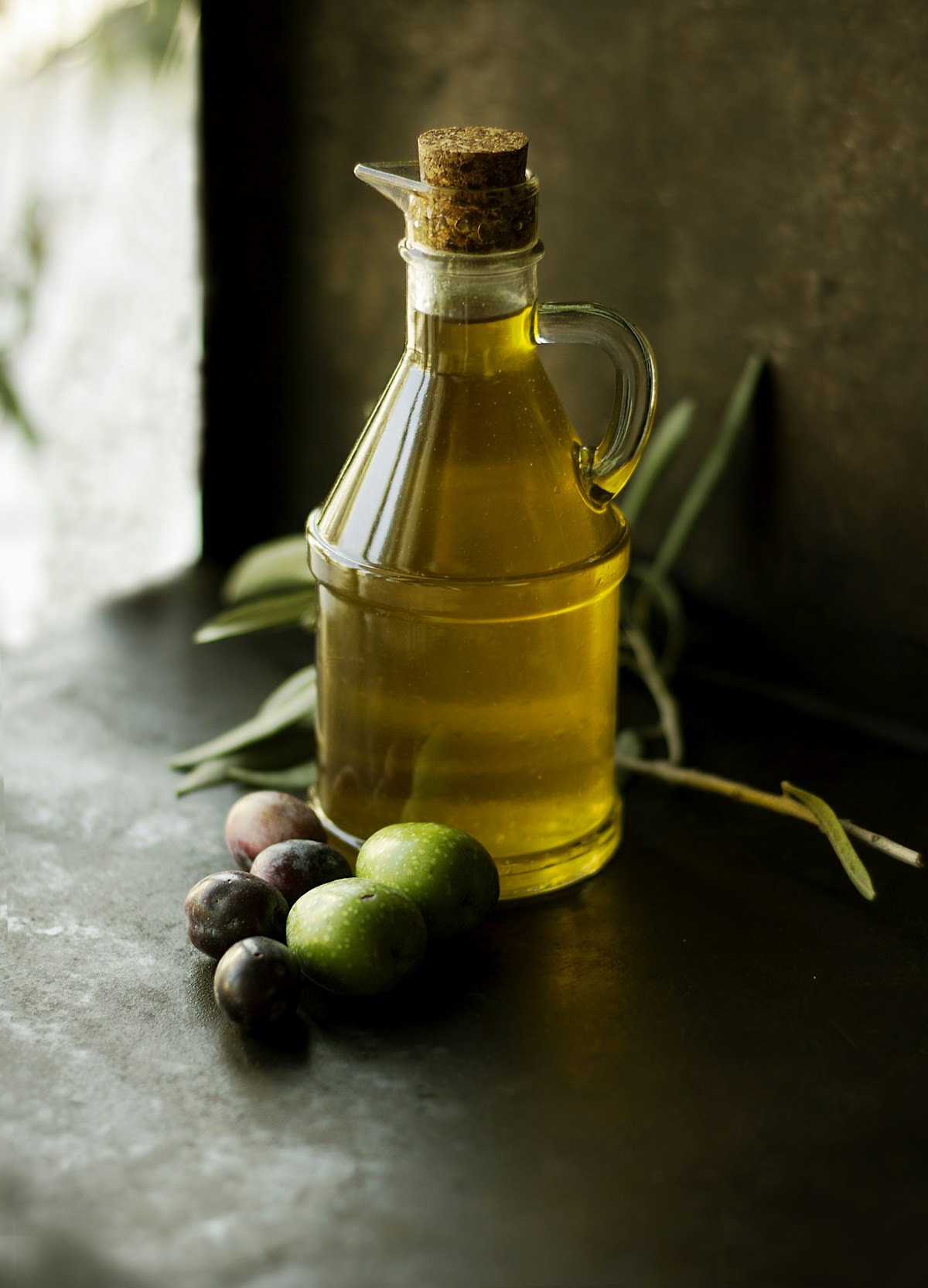
Let me paint you a picture. You're sitting in a Greek village kitchen. The afternoon light is golden, streaming through lace curtains that have witnessed three generations of family drama. There's a cat somewhere doing absolutely nothing productive, a grandfather snoring gently in the corner, and a yiayia (grandma) is sliding a plate of bread towards you with the intensity of someone performing open-heart surgery.
"Try this," she commands. Not asks. Commands.
What she's offering isn't just olive oil. It's her olive oil. From her trees. Pressed at her village's mill. And darling, you will agree it's the best you've ever tasted, or you're not leaving this table until Easter.
After three years of living in Greece, I've been through this ritual approximately 847 times. And here's the shocking twist: these grandmothers aren't delusional. They might actually be onto something.
The Science Behind Yiayia's Obsession
Here's the thing — she might actually be scientifically correct. Greek olive oil, particularly from small village producers, consistently ranks among the world's finest in international competitions. Greece produces over 300,000 tonnes of olive oil annually, with approximately 65% classified as extra virgin — one of the highest percentages globally.
The Mediterranean climate provides the perfect growing conditions: hot, dry summers and mild, wet winters. The limestone-rich soil adds mineral complexity. The specific Greek varietals — Koroneiki (the queen of Greek olives), Kalamata, Manaki, Athinolia — have been cultivated for millennia, their genetics refined by generations of careful selection.
But here's what the science really shows: olive oil quality degrades rapidly with time, heat, and light. Commercial olive oil often travels thousands of kilometres, sits in warehouses, and reaches your table months or even years after pressing. Yiayia's oil? Pressed last November, stored in a dark cellar, consumed within the year. The freshness factor alone makes it objectively superior.
Why HER Village Specifically?
The Terroir Effect
Every Greek village has its microclimate, and this is where things get genuinely fascinating. The concept of terroir — that French wine term meaning the complete natural environment in which something is produced — applies beautifully to olive oil.
Consider the variables:
-
Altitude: Higher elevation villages experience cooler nights, which slows olive maturation and concentrates flavours
-
Soil composition: Volcanic soil in Santorini produces different notes than the clay-rich earth of the Peloponnese
-
Sea proximity: Coastal groves absorb salt-tinged breezes that subtly influence the oil's mineral profile
-
Mountain winds: The meltemi winds that sweep down from northern mountains stress the trees in ways that concentrate polyphenols (the healthy compounds)
-
Water source: Natural spring water versus irrigation creates different growing conditions
"My trees have been here for 400 years. They've survived Ottoman occupation, world wars, and your British tourists. Your supermarket oil was probably made last Tuesday in a factory with fluorescent lighting." — Actual quote from my neighbour's grandmother, Kyria Eleni, aged 84
She has a point.
The Taste Test Ritual: A Comprehensive Guide
When invited to taste village olive oil — and you will be invited, resistance is futile — here's exactly what will happen:
-
The Setup: You will be seated. Not asked if you'd like to sit. Seated. Bread will appear, freshly baked or purchased that morning from the village bakery. The bread is not optional.
-
The Presentation: The olive oil will be retrieved from a special location — a dark cupboard, a cellar, a mysterious shed. It will be in an unmarked container, usually a repurposed water bottle or an ancient tin. Fancy bottles are for tourists.
-
The Pour: The oil will be dispensed with the reverence typically reserved for religious ceremonies. You will notice it's greener, cloudier, and more viscous than anything you've seen in a supermarket.
-
The Taste: You will dip your bread. You will taste. You will experience a peppery kick at the back of your throat — this is the polyphenols, and it's a sign of quality, not a defect.
-
The Evaluation: You will be watched intensely. Multiple family members may gather. Your facial expression is being analysed.
-
The Verdict: You will declare it the best olive oil you've ever tasted. This is not lying. By the time you've experienced this ritual, the combination of freshness, terroir, and the sheer weight of expectation will have genuinely convinced you.
How to Find Your Own Village Oil: A Practical Guide
Skip the tourist shops with their pretty bottles and suspicious "Product of Greece" labels (which often means it was merely bottled here, not grown here). Here's where to actually find the good stuff:
Local Cooperatives (Συνεταιρισμός)
Every olive-producing region has them. These are farmer-owned collectives that press and sell their members' oil. Quality is consistent, prices are fair, and you're supporting actual Greek farmers. Ask at any kafeneio (traditional café) and someone's uncle will point you in the right direction.
Weekly Farmers' Markets (Λαϊκή Αγορά)
Held in every Greek town on specific weekdays, these markets feature producers selling directly. Look for the tables with unlabelled containers and elderly people arguing about whose oil is better. That's your target.
The Uncle Network
This isn't a joke. Every Greek person seems to have "a guy" who produces olive oil. Mention to any Greek person that you're looking for good olive oil, and within 48 hours you'll have three phone numbers and an invitation to visit someone's grove.
Agrotourism Estates
For a more structured experience, some estates offer tours, tastings, and direct sales. You'll pay more, but you'll also learn about production methods and get a proper tasting experience.
What to Look For: Quality Indicators
When buying Greek olive oil, whether from a grandmother or a cooperative, look for:
-
Harvest date: This year's harvest is best. Olive oil is not wine; it doesn't improve with age
-
Acidity level: Extra virgin should be under 0.8%, but the best Greek oils are often under 0.3%
-
PDO designation: Protected Designation of Origin (ΠΟΠ in Greek) means it comes from a certified region with traditional methods
-
Cultivar listed: If they specify Koroneiki, Kalamata, etc., they're proud of what they're selling
-
Storage: It should be in dark glass or tin, never clear plastic
The Deeper Truth: Why This Matters
Here's what I've learned after years of participating in this olive oil theatre: it's never really about the oil.
When a Greek grandmother insists her village produces the best olive oil in the world, she's really saying: my family has tended these trees for generations. This land matters. This tradition matters. The work of my father and his father and his father before him was not in vain.
The olive tree is Greece's national symbol for a reason. These gnarled, ancient trees — some over a thousand years old — are living connections to ancestors, to history, to identity. Every bottle of village olive oil contains not just pressed olives but pressed memories, pressed pride, pressed love.
So when yiayia watches you taste her oil with those intense brown eyes, she's not just waiting for a flavour verdict. She's sharing her heritage, and hoping you'll understand why it matters.
Frequently Asked Questions
Is Greek olive oil really that different from Italian or Spanish?
Yes, and not just because I'm biased after living here. Greece has the highest per capita olive oil consumption in the world, meaning Greeks keep the best stuff for themselves. Greek oil tends to be more robust and peppery than milder Italian oils, with higher polyphenol content.
How much should I pay for good Greek olive oil?
Direct from a village producer, expect €8-15 per litre. In tourist shops, €15-30 for smaller bottles. If you're paying less than €6 per litre, it's probably blended or not truly extra virgin.
Can I bring olive oil home in my luggage?
Yes, but pack it carefully. Wrap bottles in plastic bags and clothes. Checked luggage only — liquids over 100ml won't pass security. Many Greeks ship internationally if you buy enough to justify the cost.
Why does Greek olive oil sometimes burn my throat?
That peppery sensation is caused by oleocanthal, an anti-inflammatory compound with health benefits similar to ibuprofen. It's a sign of quality, not a defect. Fresh, high-polyphenol oil will have more "kick."
Final Thoughts
Greek grandmas aren't delusional. They're passionate, knowledgeable, and sitting on literal liquid gold. Every village does produce exceptional olive oil because every Greek village has centuries of knowledge, perfect growing conditions, and producers who actually use what they make.
The confidence? That comes from knowing exactly where their food comes from, a certainty most of us in the modern world have lost.
Now excuse me, I need to go agree with three different yiayias about their olive oil before sunset. My calendar is very full.
Have you experienced the Greek olive oil interrogation? Follow along on Instagram for more tales from Greek village life, or subscribe to get recipes that will make your own grandmother proud (or suspicious that you're planning to stay in Greece forever).
?Frequently Asked Questions
Is Greek olive oil really that different?
Yes! Greece produces some of the world's highest quality extra virgin olive oil, with strict EU standards and traditional pressing methods.
How do I know if Greek olive oil is authentic?
Look for PDO (Protected Designation of Origin) labels, check the harvest date, and buy from cooperatives or local producers when possible.
Why is village olive oil better than commercial?
Small-batch production, traditional cold-pressing, and immediate processing after harvest all contribute to superior flavor and lower acidity.
Ultimate Greek Islands Itinerary
10 Days of Island-Hopping Perfection
The exact route I'd plan for my best friend — with ferry times, hidden beaches, and where locals actually eat.

